
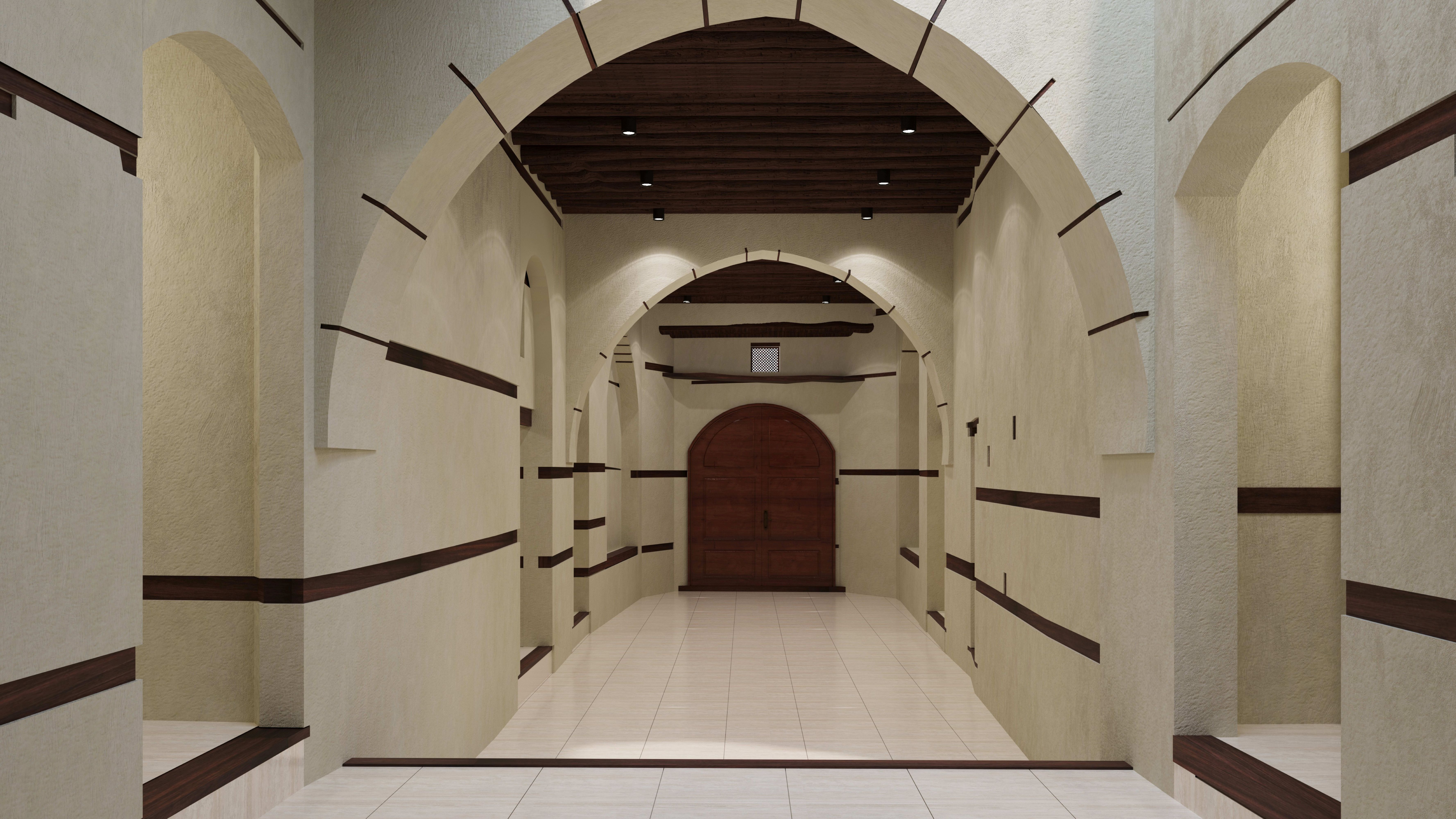
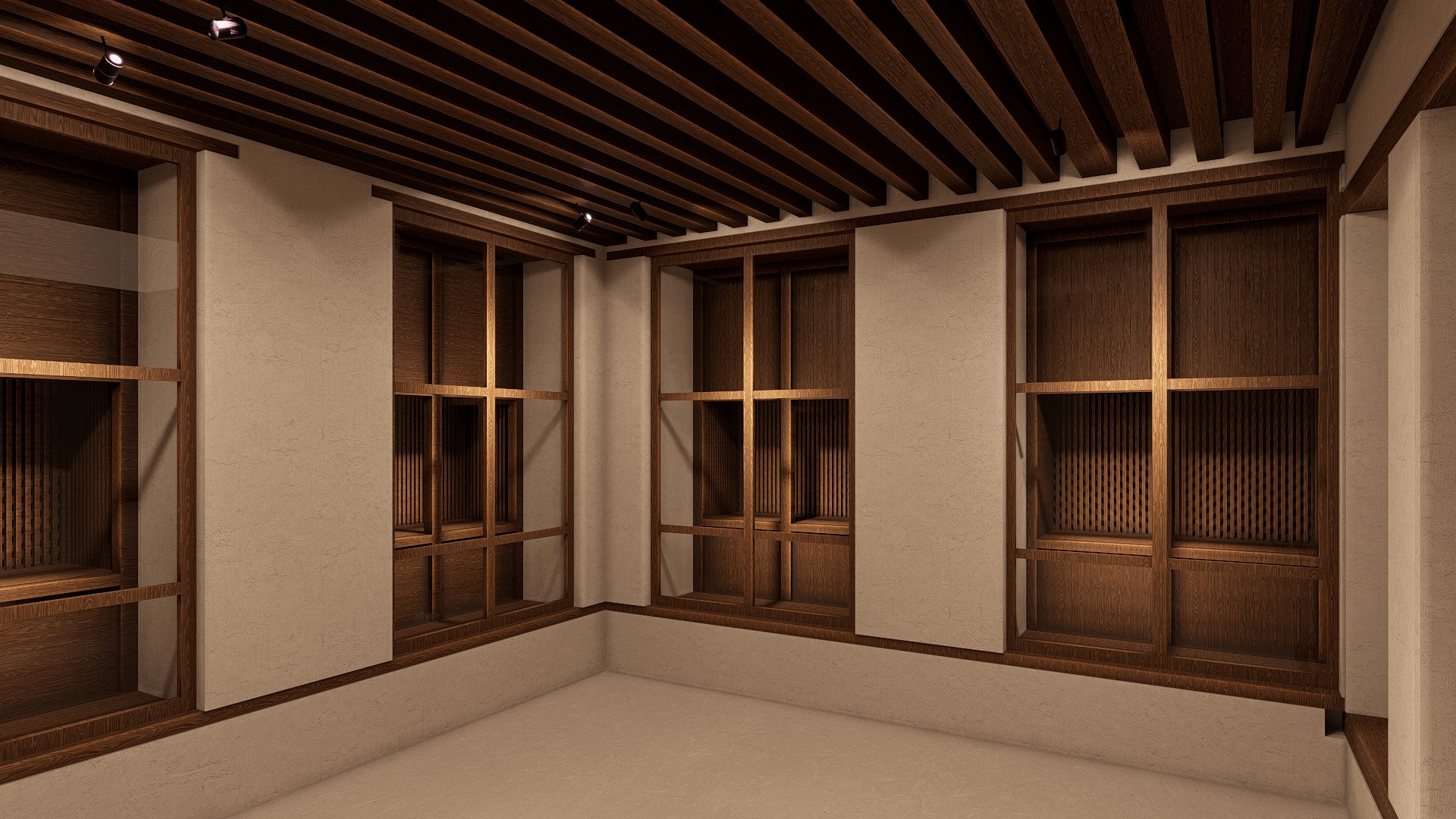
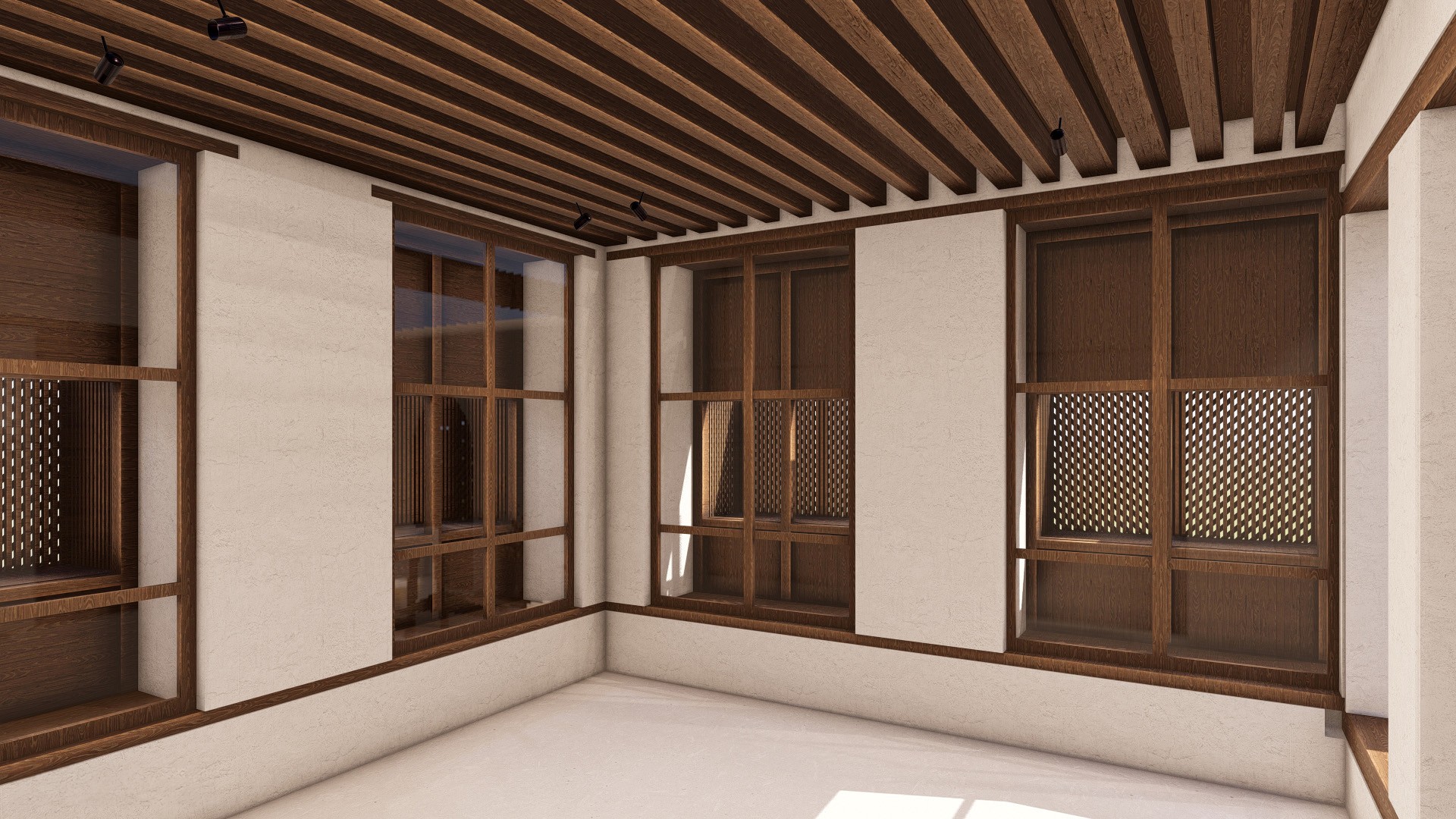
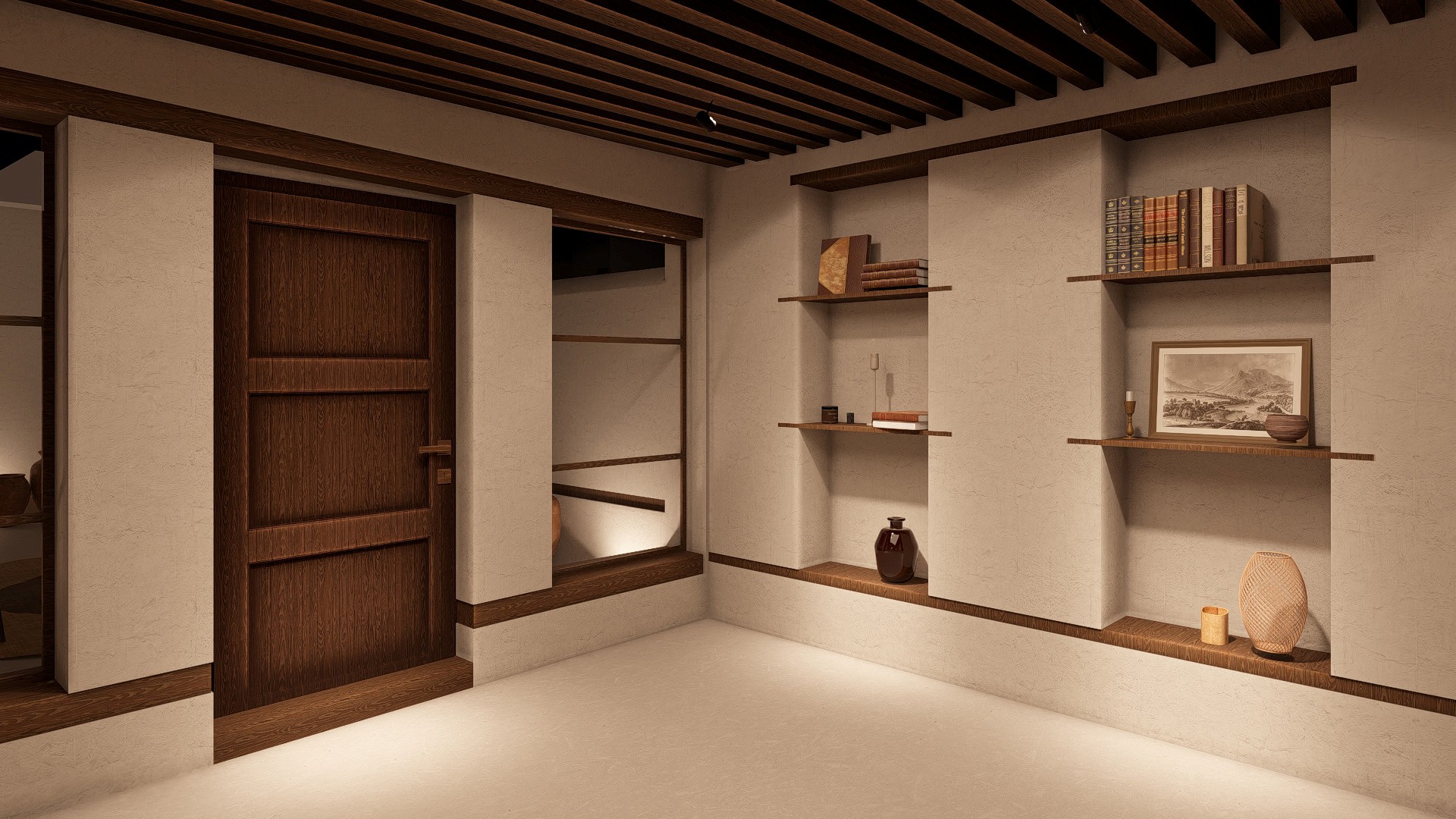
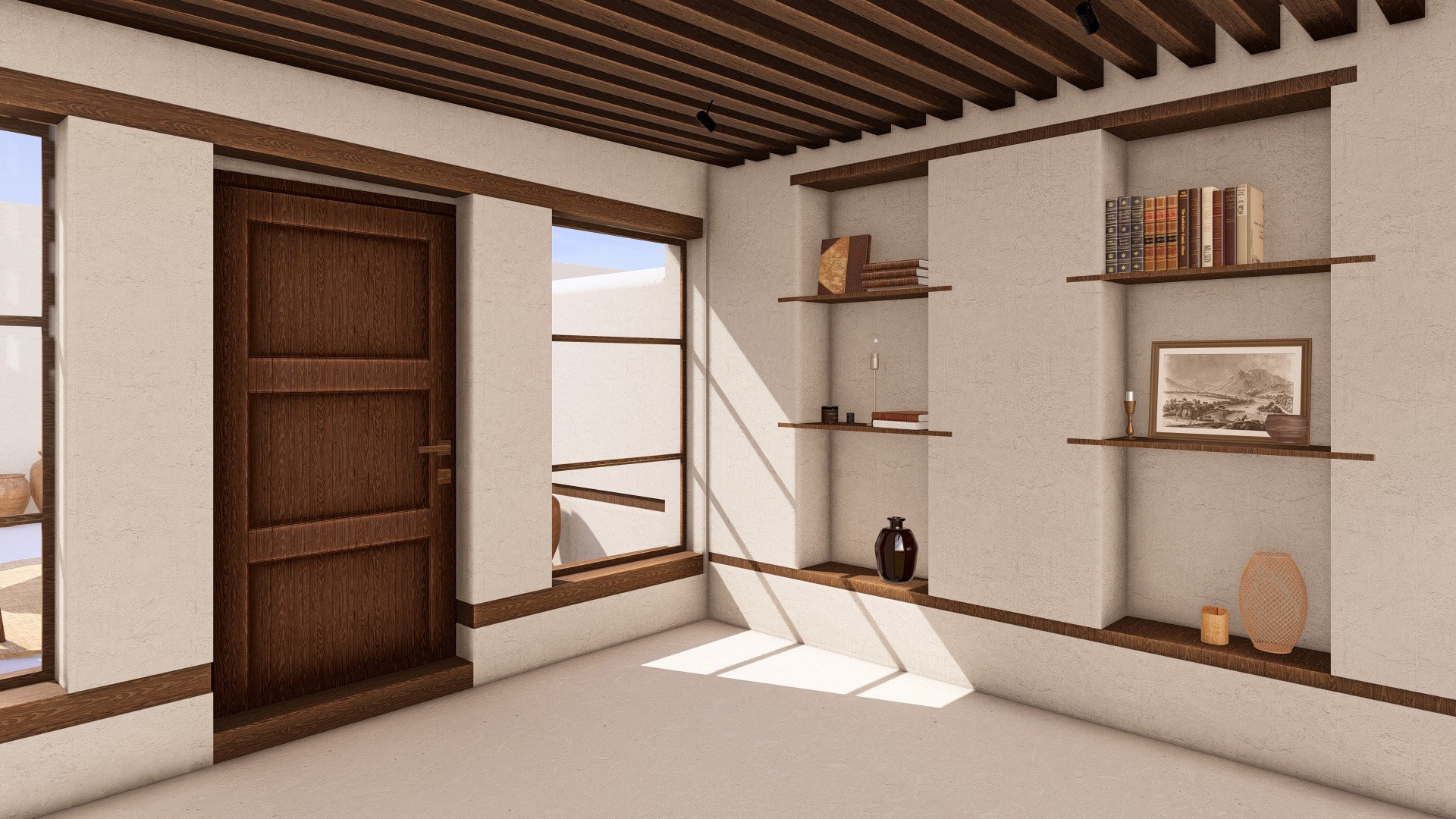
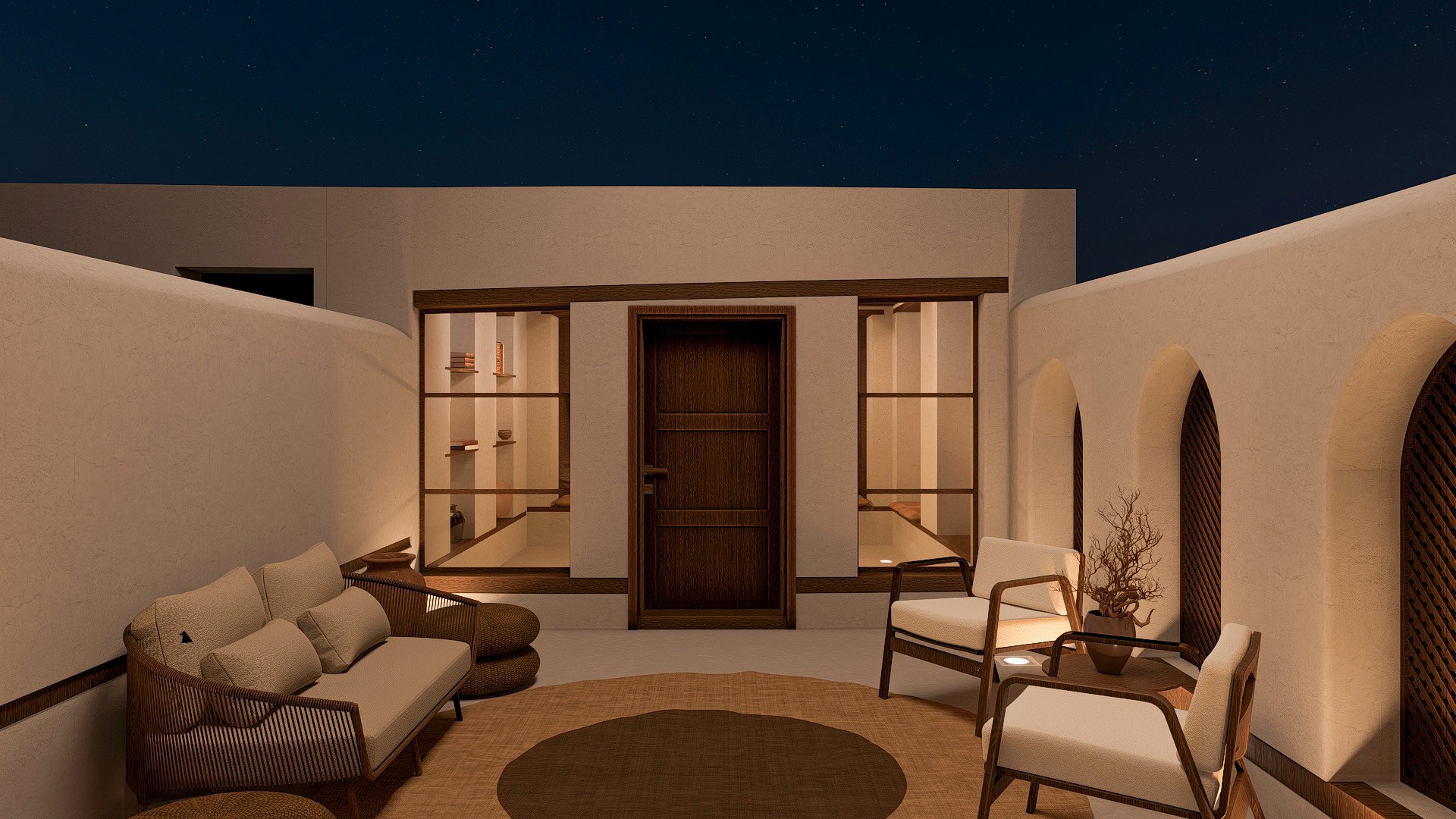
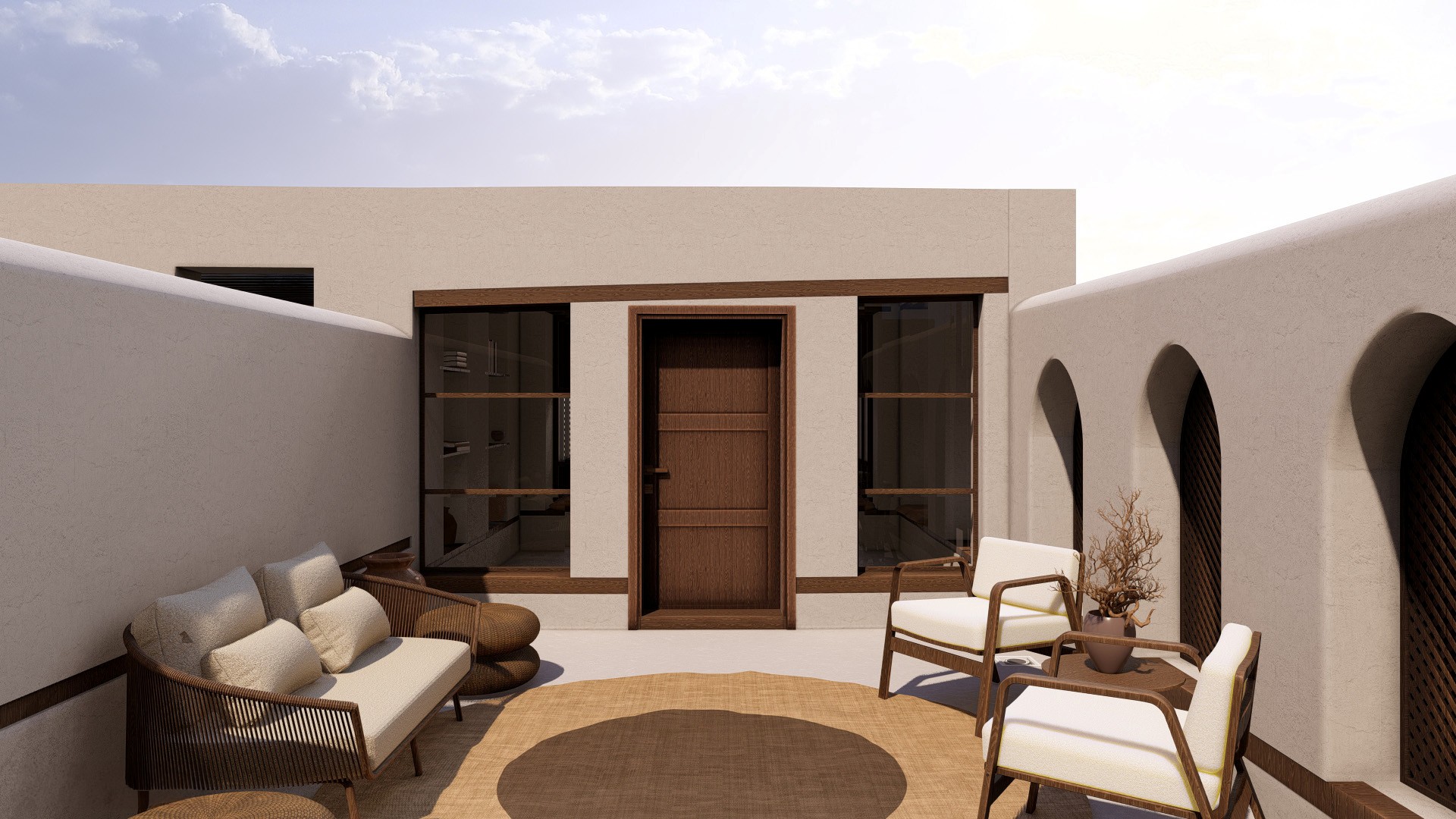
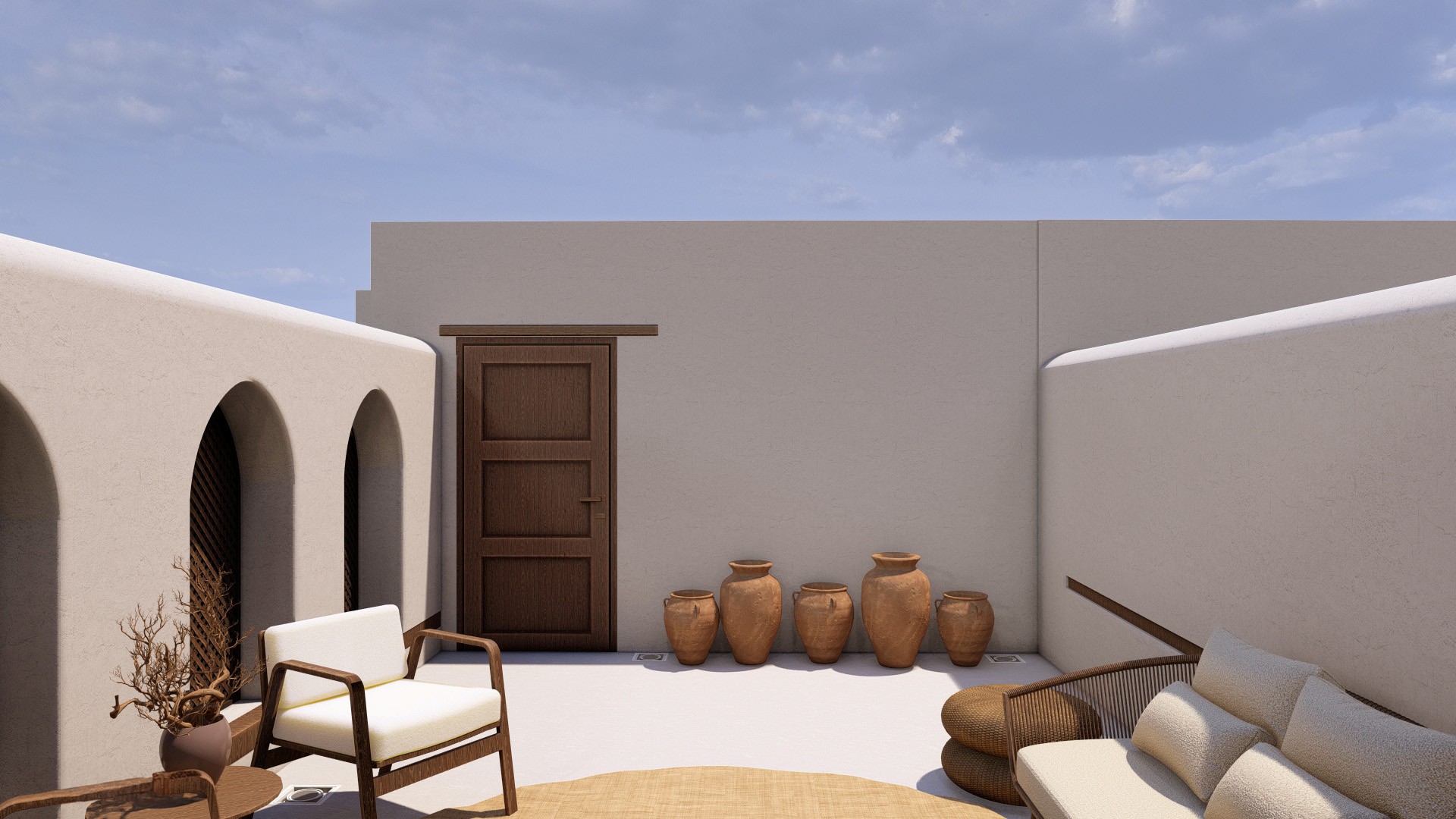
We worked on a light fit-out project in the historic district of Al Balad, Jeddah, where eight heritage houses were transformed into diverse facilities including residential, commercial, hospitality, and cultural spaces. The design focused on blending modern lighting techniques with the charm of traditional Hijazi architecture, using warm and intimate solutions for homes, flexible systems for commercial areas, and atmospheric designs for boutique hospitality and dining. Beit Baeshin, located in Harat Al-Sham, is one of the oldest and most historically significant houses in Jeddah, with a history spanning over 200 years. Throughout its existence, the house has served multiple purposes and hosted a variety of residents, reflecting its social and cultural importance. At one point in time, Beit Baeshin functioned as a Rebat or Tekkiyeh—a charitable lodging for the poor, travelers, and the terminally ill, often funded by religious organizations. Later, it became the residence of the renowned artist Omar Baeshin, who also rented it out to expatriates. Omar Baeshin, known as the "Makkah Lyre," was a prominent figure in traditional Hijazi music. Architecturally, Beit Baeshin is a rare example of a "double-code" design philosophy, blending traditional and modern elements. The house incorporates environmental building techniques typical of Najd architecture alongside Islamic architectural principles. Its internal stone construction reflects influences from Najdi traditions, while the external façades feature intricate Islamic details, such as Mashrabiyas (wooden lattice screens). These Mashrabiyas provide both privacy and ventilation, creating shade and facilitating airflow. Beit Baeshin is a rare example of architectural and cultural heritage, preserving both environmental sustainability and Islamic design principles.
Beit Baeshin, located in Harat Al-Sham, is one of the oldest and most historically significant houses in Jeddah, with a history spanning over 200 years. Throughout its existence, the house has served multiple purposes and hosted a variety of residents, reflecting its social and cultural importance.
At one point in time, Beit Baeshin functioned as a Rebat or Tekkiyeh—a charitable lodging for the poor, travelers, and the terminally ill, often funded by religious organizations. Later, it became the residence of the renowned artist Omar Baeshin, who also rented it out to expatriates. Omar Baeshin, known as the "Makkah Lyre," was a prominent figure in traditional Hijazi music.
Architecturally, Beit Baeshin is a rare example of a "double-code" design philosophy, blending traditional and modern elements. The house incorporates environmental building techniques typical of Najd architecture alongside Islamic architectural principles. Its internal stone construction reflects influences from Najdi traditions, while the external façades feature intricate Islamic details, such as Mashrabiyas (wooden lattice screens). These Mashrabiyas provide both privacy and ventilation, creating shade and facilitating airflow.
Beit Baeshin is a rare example of architectural and cultural heritage, preserving both environmental sustainability and Islamic design principles.
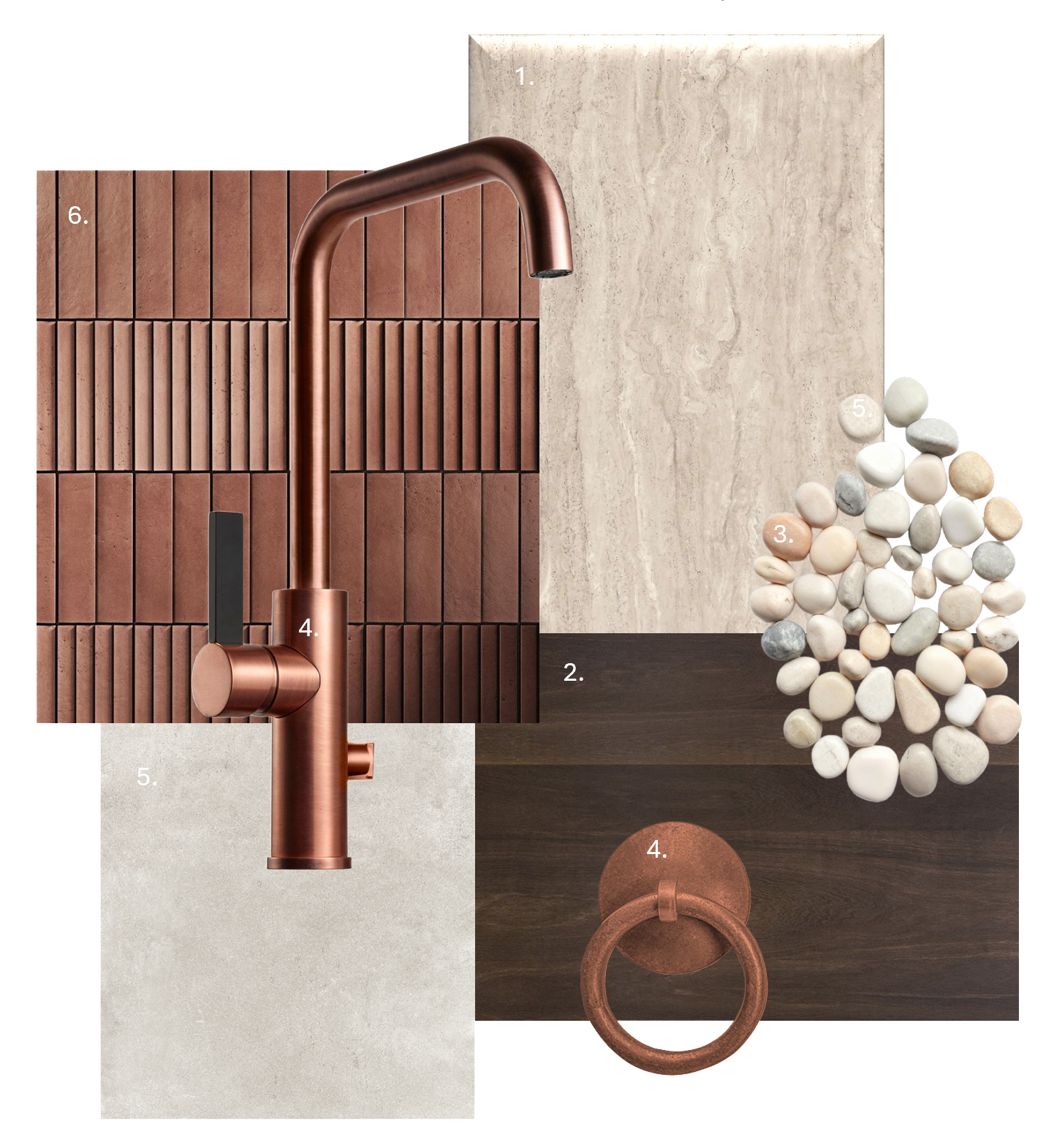
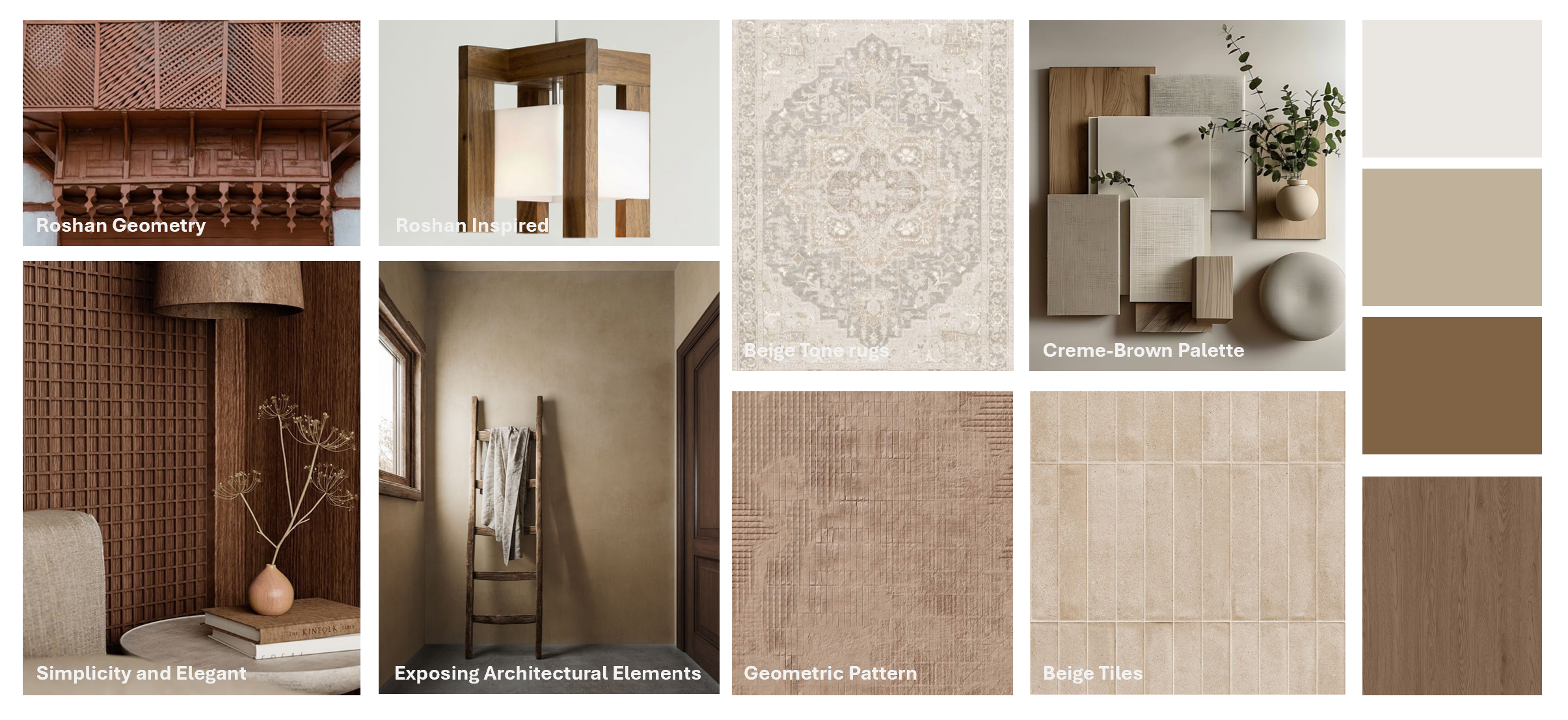

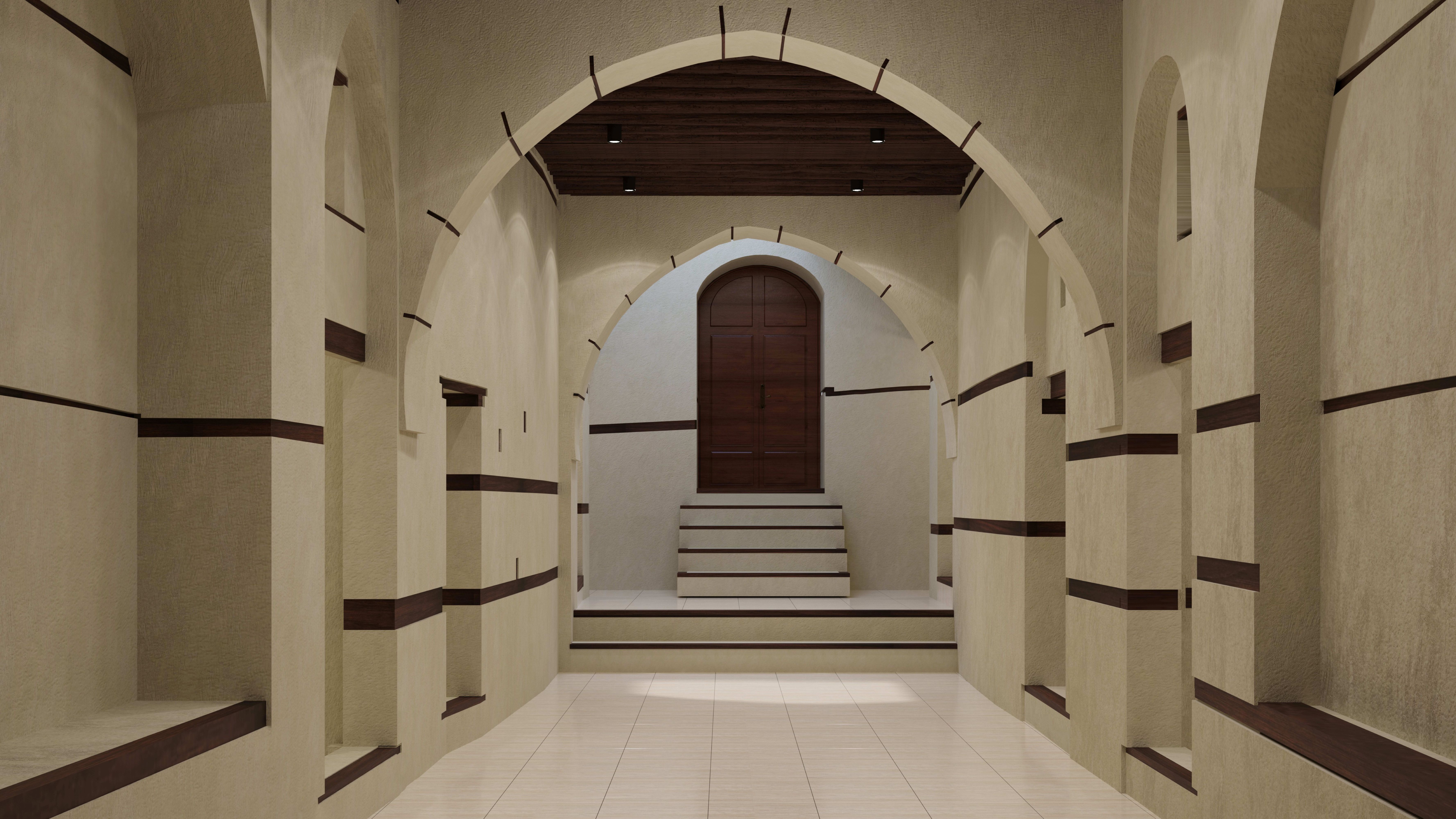
Ministry of Culture
Jeddah
2025
Mixed Use
Offices
Commercial
Interior Design
Heritage Studies & Restoration
Design
|


