
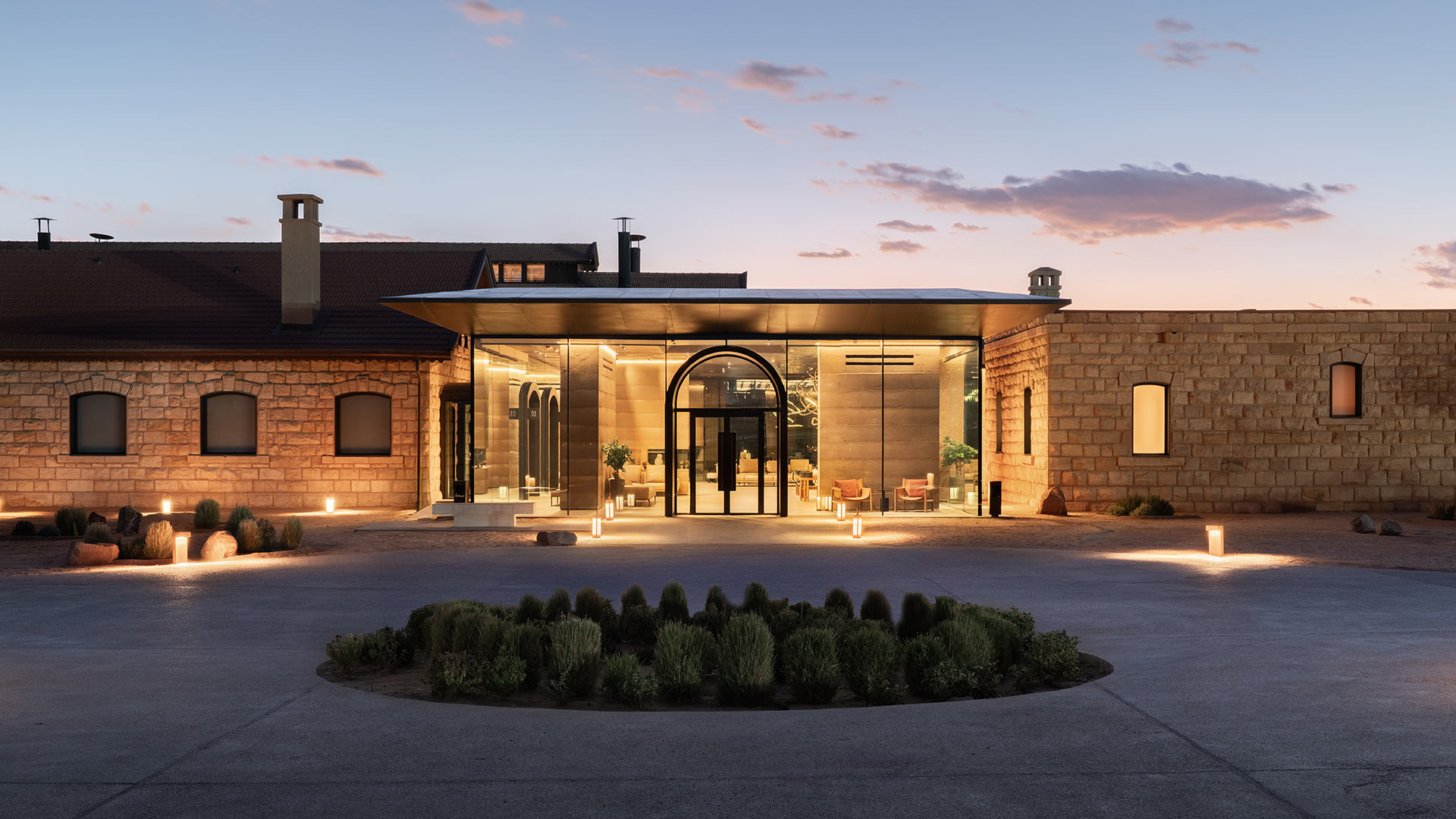
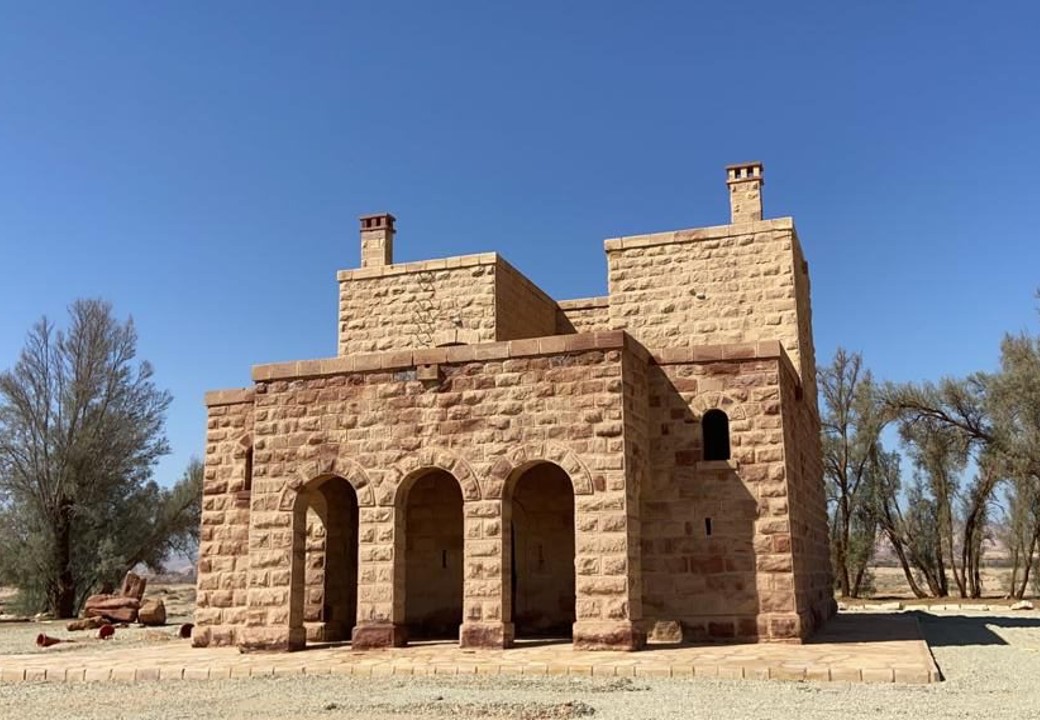
The project focused on the adaptation and reuse of historic masonry and four mud-brick buildings within a UNESCO-designated heritage area, transforming the historic railway station into a distinctive heritage hospitality destination while preserving the cultural and architectural value of the site. The scope included the assessment and documentation of the existing buildings, followed by specialized conservation studies and the review and supervision of heritage elements and related works. Particular attention was given to the appropriate treatment of historic materials, construction techniques, and architectural features, ensuring their preservation while enabling their adaptation and transfer to new uses. Rather than introducing new standalone structures, the completed project focused on the conservation, adaptation, and reuse of the existing heritage buildings, integrating contemporary hospitality functions while maintaining the historic character and identity of the site. The project represents a unique example of heritage adaptation and reuse in a desert environment, demonstrating how traditional architecture can be conserved, adapted, and given a new life while respecting its historic character, original materials, and traditional construction techniques.
The project focused on the adaptation and reuse of historic masonry and four mud-brick buildings within a UNESCO-designated heritage area, transforming the historic railway station into a distinctive heritage hospitality destination while preserving the cultural and architectural value of the site.
The scope included the assessment and documentation of the existing buildings, followed by specialized conservation studies and the review and supervision of heritage elements and related works. Particular attention was given to the appropriate treatment of historic materials, construction techniques, and architectural features, ensuring their preservation while enabling their adaptation and transfer to new uses.
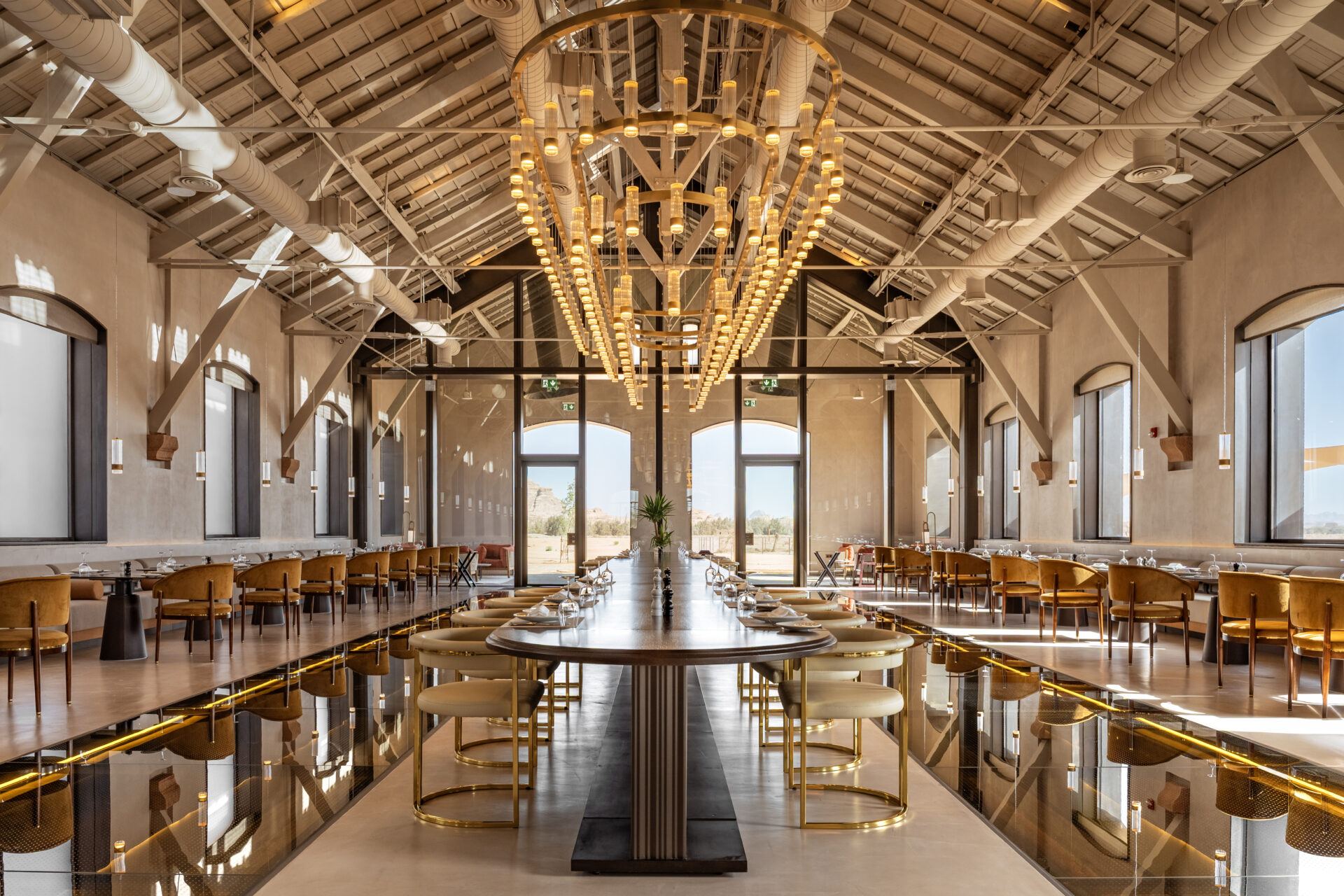
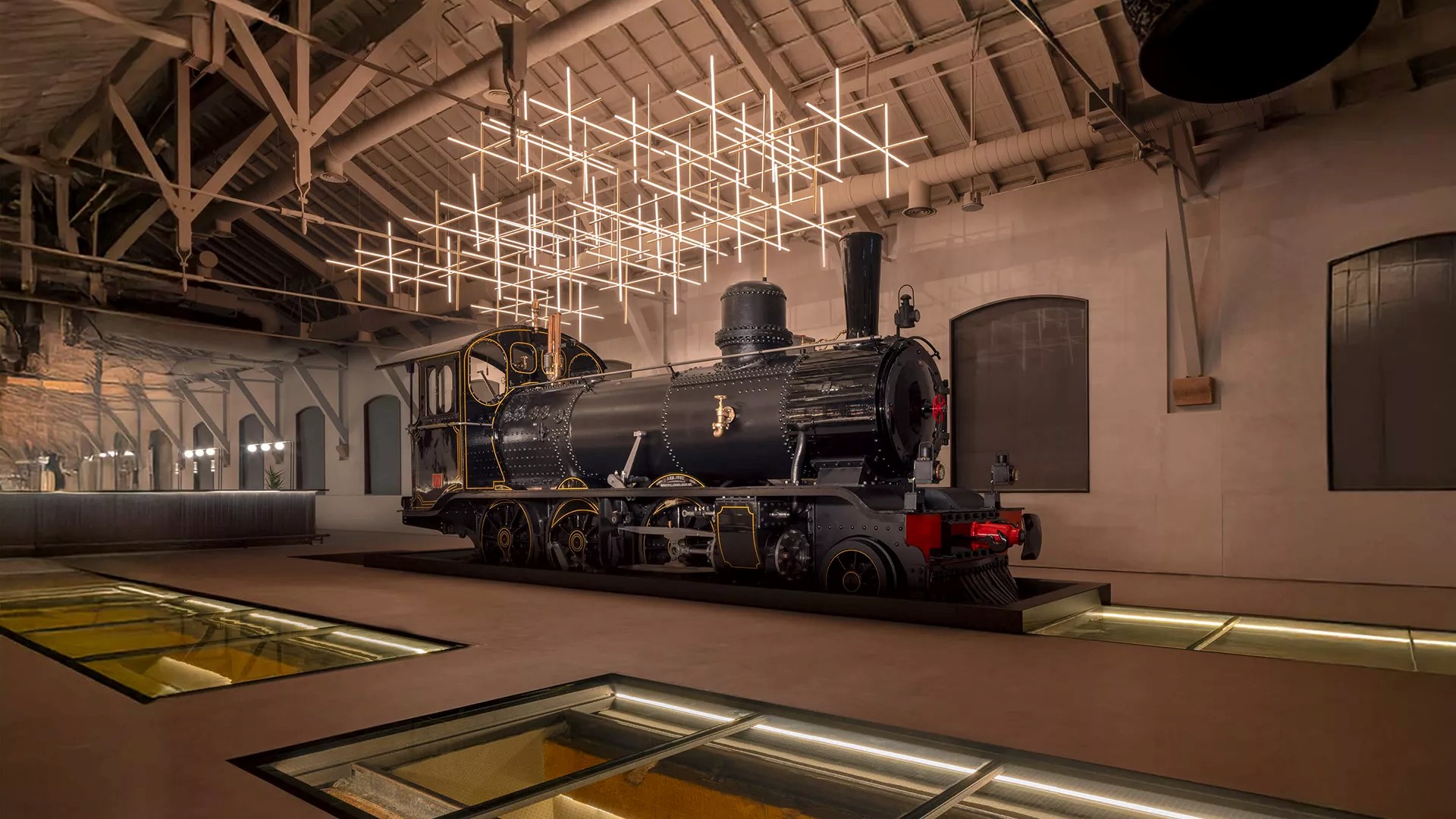
Rather than introducing new standalone structures, the completed project focused on the conservation, adaptation, and reuse of the existing heritage buildings, integrating contemporary hospitality functions while maintaining the historic character and identity of the site.
The project represents a unique example of heritage adaptation and reuse in a desert environment, demonstrating how traditional architecture can be conserved, adapted, and given a new life while respecting its historic character, original materials, and traditional construction techniques.
The Royal Commission for Al-Ula
Al-Ula
2022
Hospitality
Heritage Studies & Restoration
Architecture Design
Structure & MEP Engineering
Interior Design
Studies
|
Supervision
|


